An EPDM roof is a single-ply rubber membrane, usually 45 or 60 mils thick, rolled over a clean substrate and bonded at every lap. It suits flat and low-slope rooftops where shingles can't shed water fast enough.
Concord gets hot, dry summers with occasional fire season winds, then winter rain with occasional heavy downpours. That cycle punishes a membrane. EPDM handles both because rubber flexes when moderate temperature swings between seasons pull at seams and field splices.
What an EPDM Roof System Includes
- The membrane is a cured rubber sheet that resists UV degradation better than the tar, asphalt, and bitumen layers in an older built-up roof.
- Rigid insulation board sits under the sheet to add R-value and keep the rubber off the decking.
- A tapered insulation package slopes toward a scupper or roof drain so ponding water can't sit after a storm.
- Mechanically attached systems use plates and fasteners, while fully adhered systems use contact adhesive and cost more per roofing square.
- Self-adhered seam tape and splice adhesive close each lap, and hand-sealed corners catch what a roller misses.
- Termination bars, counter-flashing, and mastic tie the sheet into a parapet, curb, or coping edge.
Choosing Between EPDM, TPO, and Other Low-Slope Systems
EPDM is one of several membranes we install, and it is not always the right one. Property managers and facility owners should know what the alternatives cost them.
- TPO roofing is the white, heat-welded option, and it reflects summer sun better than black rubber on a low-slope rooftop.
- PVC membrane resists the grease and chemical fallout that collects near a commercial kitchen exhaust.
- Modified bitumen gives a torch-applied, asphalt-based cap sheet that works well on small flat sections and repair patches.
- Built-up roof assemblies still make sense on a building already carrying two or three layers, where a recover beats a full tear-off.
- Standing-seam panel and corrugated panel metal roofing fit steeper pitches and long spans that would need too many seams in rubber.
We install systems from GAF, Owens Corning, and CertainTeed, and we quote the warranty before we quote the price. EPDM systems carry a 10-year workmanship warranty from us plus up to 50-year manufacturer coverage.
Warning Signs a Membrane Is Failing
- Ponding water that lingers more than a day after rain pushes seams apart and lets rot start in the roof deck.
- Blistering, alligatoring, and chalking are how a membrane shows end-of-life wear under UV exposure.
- Granule loss on an adjoining asphalt shingle field washes grit into the gutter and downspout.
- Cracks along a splice let water wick into the insulation, where it sags, settles, and loses R-value.
- Corrosion on termination bars and exposed fastener heads usually means the original crew skipped a finish coat.
- Ceiling stains, a musty smell, or a roofline that dips are signs the leak started a season earlier.
How long does an EPDM roof last in Concord? EPDM roofing typically delivers 20 to 30 years on a low-slope rooftop here, with the seams and penetrations failing before the field does. Recoating around year 12 keeps a system in service longer.
How the Work Goes, Step by Step
Every job starts with a roof asset survey using moisture readings, photos, and a written scope you can hand to an insurance adjuster. Here is the order we follow.
- We measure the roof by the roofing square, note every penetration, and set a dumpster and staging spot away from tenant parking.
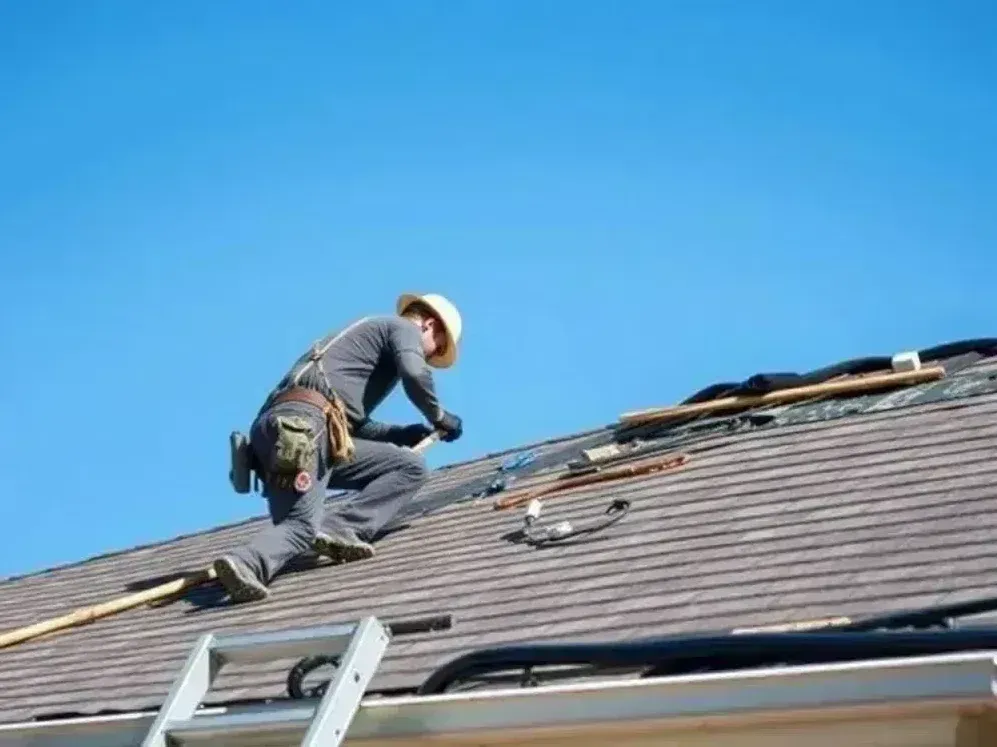
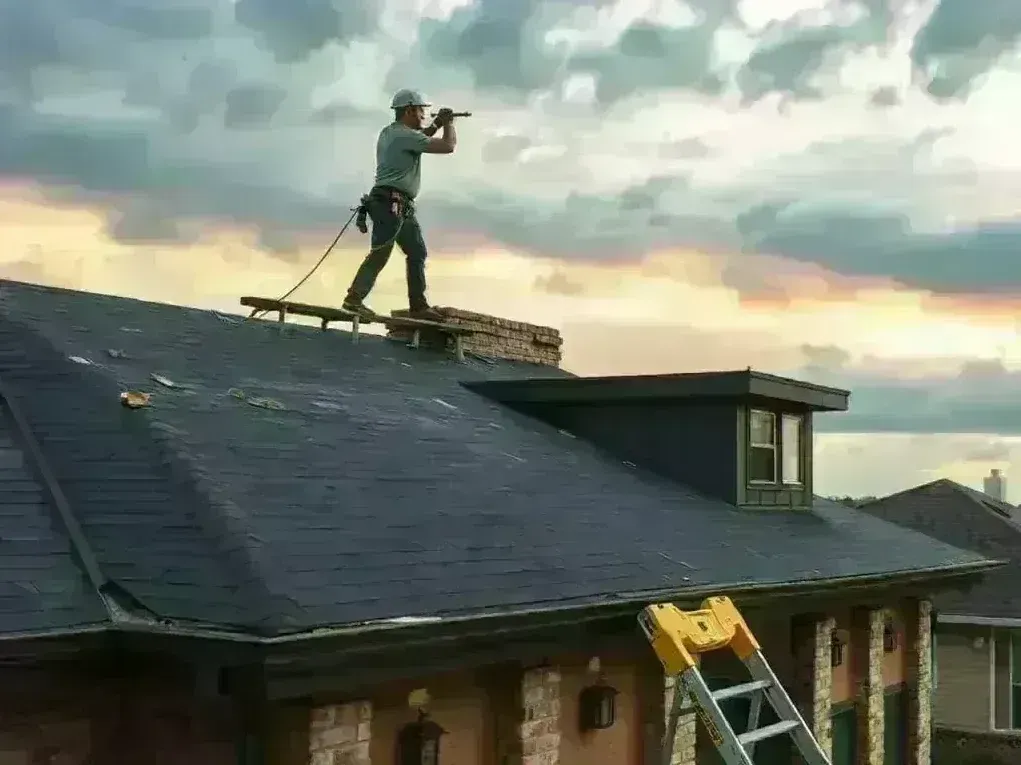
- The crew sets scaffold and ladder access, and every technician ties off to an anchor point with a safety harness.
- Tear-off strips the old membrane, wet insulation, and failed flashing down to the substrate.
- We replace any OSB or plywood sheathing that has spalled, rotted, or delaminated rather than nailing new material over it.
- A recover or overlay goes over one dry, well-bonded layer only, never over ponding water or a soft deck.
- We lay the sheet, bond or weld the laps, then hand-seal pipe boot, vent boot, skylight, chimney, and dormer details.
- A torch stays on modified bitumen flashings and nowhere near the rubber, and we pull old fasteners with a pry bar and roofing shovel.
- Final roof inspection comes with photos and a written report so your file is complete.
What Drives the Cost of EPDM Roofing
- Square footage comes first, because price tracks the number of roofing squares rather than the hours on site.
- Tear-off versus recover changes the total, since each extra layer adds debris weight and dumpster disposal fees.
- Insulation thickness, a tapered cricket, and added ventilation raise material cost but trim cooling load in July.
- Penetrations cost labor, because skylight, chimney flashing, pipe flashing, and counter-flashing are all hand-worked.
- After-hours scheduling for tenant coordination adds a line-item estimate charge on commercial roofing work.
Most flat sections run one to three days. Larger commercial rooftops with a full tear-off and new insulation take a week or more, and we schedule around your tenants rather than through them.
Maintenance, Energy, and Insurance Claims
- A coating recoat every few years extends a sound membrane's life and costs far less than a replacement.
- Clearing gutter, downspout, and scupper screens before the rainy season prevents most winter water intrusion.
- Green roofing assemblies need a root barrier and drainage layer above the waterproofing, and EPDM is a common base for them.
- Reflective membranes and added insulation cut cooling demand, which is the practical kind of energy efficiency rather than a slogan.
- Roof cement and mastic patch small blisters, while caulk and sealant handle cracked counter-flashing.
- We document storm damage with photos and measurements for insurance claim assistance, and we meet the adjuster on site.
Components We Check on Every Roof
- Sheathing and roof deck condition, because a soft substrate defeats any new membrane laid over it.
- Ice-and-water shield along every eave, where an ice dam forms when snowmelt refreezes at the edge.
- Synthetic underlayment, roofing felt, or tar paper under steep-slope sections, since the underlayment choice depends on pitch and building code.
- Drip edge, ridge cap, ridge, hip, gable, verge, rake, and valley details, since water concentrates at each transition.
- Step flashing, apron flashing, and boot flashing at walls and vents, each closed with a flashing bead of sealant.
- Fascia and soffit condition, plus soffit vent and ridge vent airflow for real ventilation.
- Trusses, rafters, joists, purlins, and the ridge beam on older homes, where a sagging frame means a structural conversation first.
- Battens and counterbattens under tile, plus snow guards, an attic fan, and a vapor barrier where moisture keeps feeding a leak.
- Mansard, gambrel, canopy, awning, and overhang sections, which need their own flashing plan rather than a generic detail.
- Wood shake and cedar shake need battens for airflow, and slate, clay tile, and concrete tile add dead load, so we check the rafter schedule before quoting.
- On pitched sections, asphalt shingle, architectural shingle, and three-tab shingle go down in staggered courses with ring-shank nails, starting at the starter course and working up through each field course to the ridge cap.
- Fasteners, screws, and plates hold a mechanically attached system, while a nail gun and air compressor only come out for the steep-slope work next door.
East Bay Roofers has worked low-slope and steep-slope assemblies in the East Bay since 1988. Call +19257224916 for a free roof estimate, and we will say plainly whether a recoat, a repair, or a full replacement is the better spend.
Weatherproofing the whole assembly (deck, insulation, flashing, drainage) is the part a cheaper roofer skips.